Women in Science Africa

Menu
  • Woman of Impact
  • News
  • Analysis
  • Perspective
  • Jobs and Careers
  • Podcast
  • Youth
Women In Science Logo
  • Subscribe Newsletter
  • Scientists Directory
Women in science logo
The African Scientists Directory
Menu
  • Woman of Impact
  • News
  • Analysis
  • Perspective
  • Jobs and Careers
  • Podcast
  • Youth
Facebook Twitter Instagram Linkedin

Study Finds Solution to Shark Attacks

wins by wins
November 18, 2024
in News
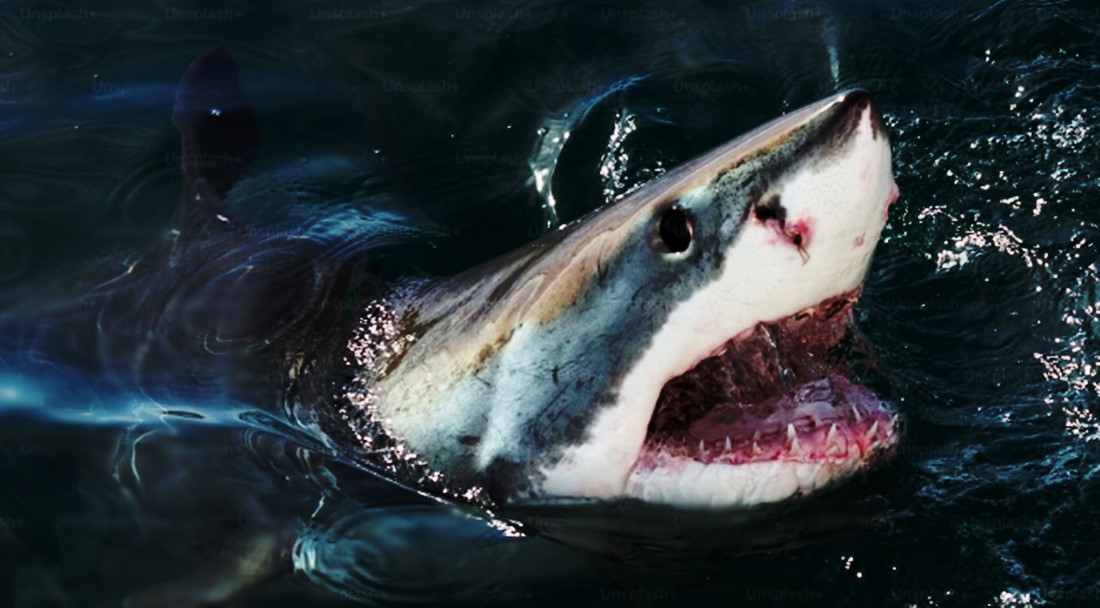
Shark attacks by Great White Sharks
Share on FacebookShare on TwitterShare on WhatsApp

An Australian research team has found a simple and cost-effective light solution could help reduce great white shark attacks on surfers. It was found that surfers are particularly vulnerable as sharks could mistake them for seals. This breakthrough study from Sydney‘s Macquarie University team’s ground-breaking research promises a fail-safe method to prevent great white sharks from confusing surfers for prey. The study was undertaken in Mossel Bay in the Western Cape.

Dr Laura Ryan and her team, in a series of experiments, studied more than 500 hours of great white shark behaviour, using seal-like decoys, towing them around.  Some decoys were fitted with various lighting patterns, in the form of horizontal or vertical strip or strobe lights with varying levels of brightness. These illuminated decoys were tested against unlit control decoys.

“We have taken this approach to understand these animals’ sensory systems, how they see the world and their behaviour,” Dr Laura Ryan

The findings, published t in Current Biology, showed sharks were most interested in unlit decoys, while strobe lights reduced shark interest somewhat. However, vertical strip lighting was highly effective in deterring these predators.

Decoys and Bright Lights to Reduce Shark Attacks

The most successful deterrent was horizontal lighting at maximum brightness in which sharks showed no interest in the decoys. This led to the conclusion that the bright horizontal lighting effectively broke the decoy’s silhouette, rendering it less recognisable as potential prey.

According to Dr Ryan, the brightness on the decoy had to be brighter than or equal to the background light and as long as the lighting stopped the silhouette from looking black, it seemed to work. The study offers real hope for increased safety in the surf, as LED’s could soon be adapted for surfboards and wetsuits. The team will also do research into providing protection for swimmers and not only surfers.


Related Posts

Climate change scientists
Environment

Wits researchers call for Africa-centred approach to climate change solutions

January 20, 2026
Prosus winners
Innovation

Five African females win Naspers-Prosus Tech Africa challenge

January 7, 2026
traditional-medicine
Environment

Technology to integrate indigenous plants into SA healthcare

December 8, 2025
Next Post
Celebrating 30 Years of South African Democracy: Advancing Through Science, Technology, and Innovation"

Celebrating 30 Years of South African Democracy: Advancing Through Science, Technology, and Innovation"

Categories

Search

No Result
View All Result
Women in science logo

Women in Science is the continent’s premier platform for women scientists. A space for Africa’s growing community of female scientists to find support, networks and a home for their ideas and achievements to take root and grow. Published by Media Torque and Events PTY Ltd ……….. Read more

SECTIONS

  • Women of Impact
  • Analysis
  • Podcast
  • News
  • Perspective
  • Youth
  • Jobs and Careers
Facebook Twitter Instagram Linkedin

MORE ON WOMEN IN SCIENCE

  • About Us
  • Advertising
  • Contact Us
  • Publications
  • Collaboration Opportunities

SUBSCRIBE

game changing science from women in science
  • African Scientists Directory

Copyright: Women In Science Africa 2024

  • Privacy Policy
  • Terms & conditions
  • Advertise with Us
No Result
View All Result

© 2026 JNews - Premium WordPress news & magazine theme by Jegtheme.