Robotic logistics are the future of supply chain management, according to Yaskawa Nordic Sales Director Lee Moulder.
In 2018 American companies spent approximately $1.5 trillion on logistical expenses. It’s a jaw-dropping number that underpins the importance of supply chain management to businesses. At the heart of any logistics system is the warehouse.
“The food and beverage industry, for example, often consists of mixed case warehouses,” says Moulder. “These are the centres to distribute pallets to the different stores, and they house various products and items under the same roof.”
Moulder explains that each store has its own unique set of requirements and not all of them will order the exact same items from the warehouse. As a result, the centres will need to pack different orders every day for the various stores. It’s a complex process, especially when you consider the importance of kosher products being packed separately and even the specific number of goods requested by each store.
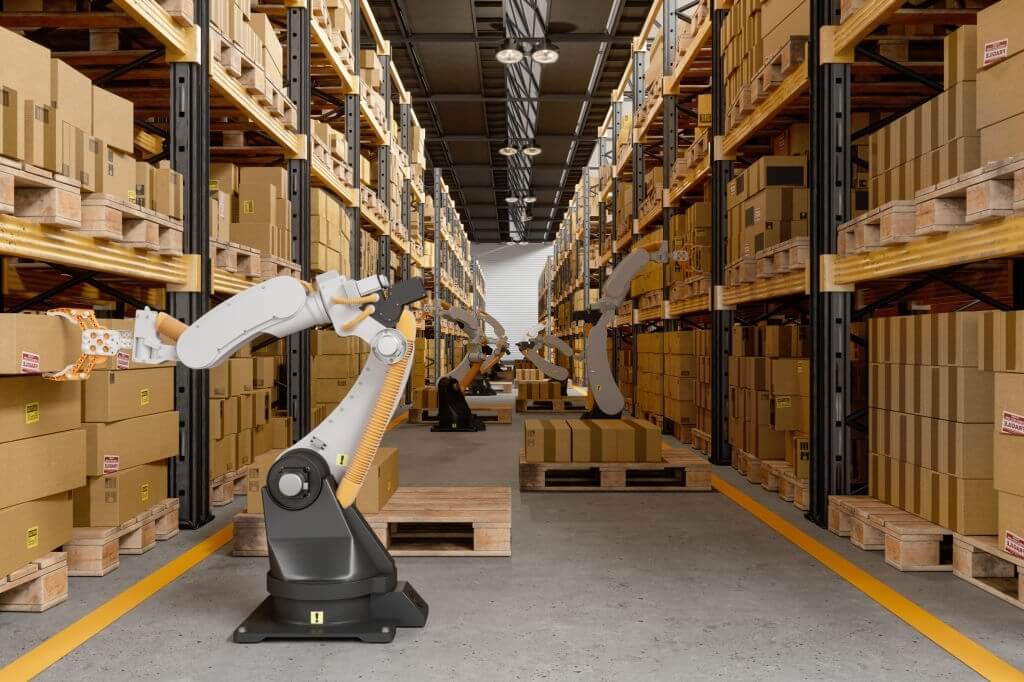
In the past, most of these warehouse tasks were done manually by workers. As businesses demand more efficiency and accuracy, however, there’s been a shift towards automating processes and uncovering smart solutions.
Thanks to the pairing of robotics with intelligent warehouse software like WSR Server, the process is now simplified. It takes away the manual process of having to do everything by hand where not only is it laborious but human error is also a greater possibility.
“Using the combination of robotics and software like IPS, you’ll be able to create the perfect pallet,” Moulder says. “For instance, a retail store requires wine, tinned food, and chips. IPS groups the order and sends it to the warehouse control system. The individual pallets containing the specific items will be picked out and brought to a depalletising station where they are de-layered depending on how much you require. From there, the items are picked/buffered then off to the mixed palletisers to prepare for shipment.”
Apart from reducing the complexity of the process and need for manual intervention, the use of robotics in warehouses has other benefits too. Moulder explains further:
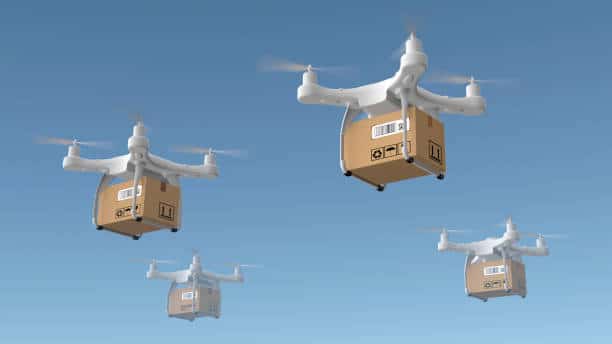
“First, it helps to reduce the number of items that stores order from a warehouse. In the past, they would have to order complete layers or an entire pallet, which would impact storage space on their end. Second, the orders are packed more efficiently. There won’t be crushed or damaged items, reducing the need to send back the goods. And finally, the accuracy of robots is unmatched. There’s no more guessing game as you know exactly what went out, how much, and when.”
While the benefits are clear, many businesses fear that introducing robotics into your operation will require a drastic overhaul of your current equipment and processes. Moulder reveals that isn’t the case since robots are designed to integrate into other systems. They are even flexible enough to adapt to existing warehouse spaces, fitting in where you need them.
What will be necessary, though, is training on two levels. The first is the standard maintenance training that’ll help identify potential faults before they happen. The second is operator training, which includes the basic principles of robotics as well as onsite cell and application-specific training. Both types of training are provided by Yaskawa to their customers.
Seeing powerhouses like Alibaba and Google invest millions in robotic logistics is an eye-opener for every business. With the global market for warehouse robotics expected to reach $22.4 billion by the end of 2021, it’s abundantly clear that there’s a new dawn in supply chain management processes.