


Though the majority of South Africans have been largely spared the devastation of malaria – which killed almost half a million Africans in 2019 – teaching South Africans about this deadly disease will play a critical role in the future, because with global warming, there is a good chance that the weather conditions will become conducive to the presence of the vector throughout South Africa.
This is why, says Dr Nthatisi Nyembe, Lecturer in the Department of Zoology and Entomology on the Qwaqwa Campus of the University of the Free State (UFS), it is important to commemorate the Southern African Development Community (SADC) Malaria Day on 6 November every year.
According to Dr Nyembe, many lives have been lost due to malaria, which is why it is important to commemorate those souls and comfort their families and loved ones. “Most South Africans are not aware of the disease because it is less prevalent in our country due to the colder and drier weather conditions. However, this may change, as global warming may play a role in weather conditions becoming more conducive to the presence of the vector throughout South Africa,” says Dr Nyembe.

Malaria still a huge problem in Africa
Malaria remains a huge problem in Africa, especially the poorer countries of sub-Saharan Africa, with about 90% of the overall cases in the world coming from Africa. The conditions are conducive to the proliferation and transmission of the parasite causing malaria.
According to the World Health Organisation (WHO) (2021), there was an estimated 229 million cases of malaria in 2019 worldwide, of which 409 000 deaths were recorded. About 94% of all cases were reported in Africa.
“Malaria is transmitted mainly through the bite of female mosquitoes of the genus Anopheles, which includes more than 537 recognised species. The two most efficient malaria vectors in the world, Anopheles gambiae and Anopheles funestus, are primary malaria vectors in Africa.
In order to stop the infection, it is crucial to break the life cycle of the parasite. There are therefore three options to consider in combating the disease from spreading and affecting more people: vaccine production, vector eradication, and treatment of the infected human,” says Dr Nyembe.
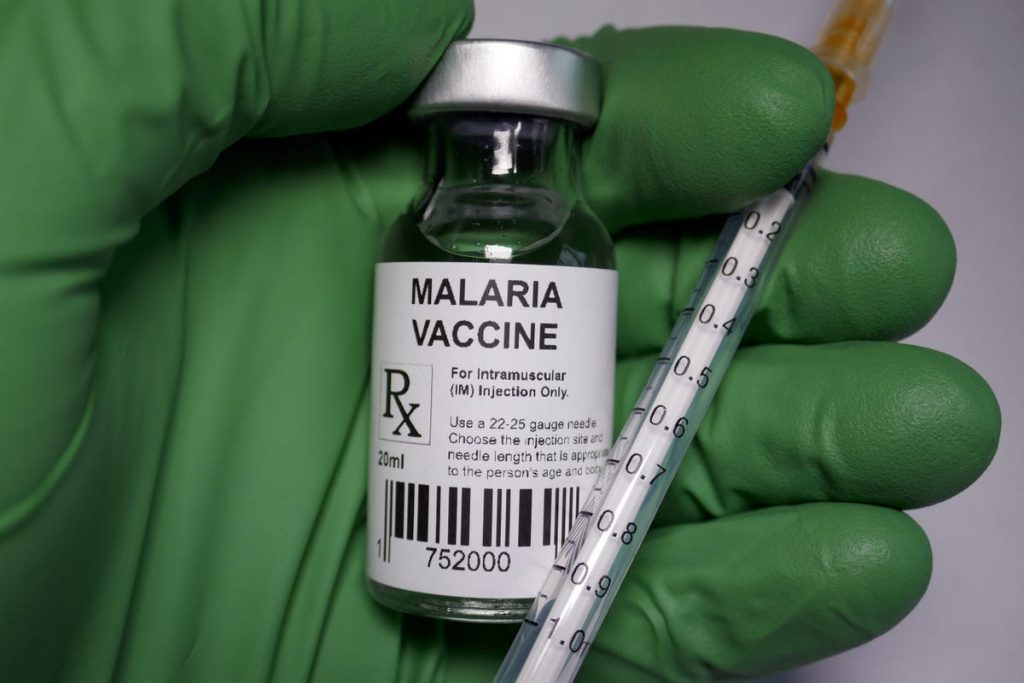
Vaccine production has been difficult
According to her, vaccine production has been difficult over the years due to Plasmodium falciparum – a parasite causing malaria with a complex life cycle involving the human host and the mosquito. The parasite develops in both the host and the vector.
“Plasmodium parasites are genetically complex, producing thousands of potential antigens. This process is known as antigenic variation. The parasite presents a different antigen each time to exhaust the immune system of the host and therefore evade the immune response, particularly the antibody response.”
“Exposure to malaria parasites does not provide lifelong protection. Naturally, acquired immunity only partially protects against future disease, and malaria infection can persist for months without symptoms of disease. Nonetheless, there is a recently developed vaccine called the RTS,S vaccine,” says Dr Nyembe.
Dr Nyembe says intensive research has been done over the years to explore and understand the effect of Plasmodium to the host, the immune response of the host towards the parasite, and the behaviour of the parasite. Above all, funds have been sourced and allocated for the production of the vaccine, hence we can now talk about successful production of the RTS,S vaccine.


