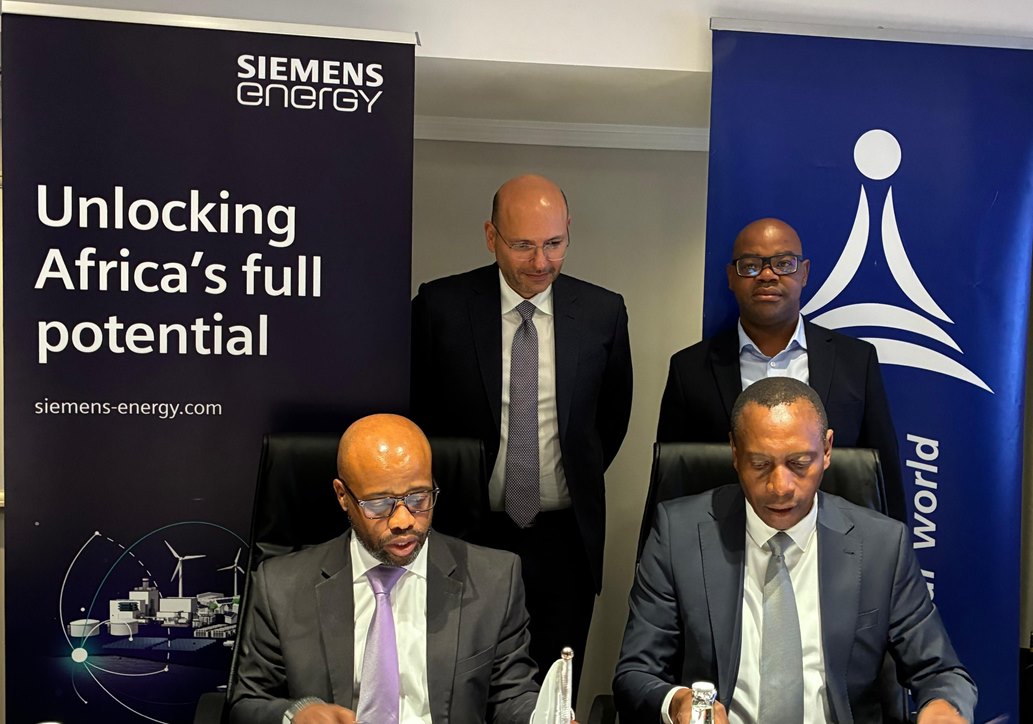
The South African (SA) Nuclear Energy Corporation SOC Ltd (Necsa) and Siemens Energy announced the signing of a Memorandum of Understanding (MOU) on Wednesday, 17 June 2026. This marks a significant step towards strengthened collaboration in energy, technology and innovation.
The MOU has established a framework for cooperation between the two organisations, focusing on supporting power generation. This includes new technologies of Small Modular Reactors (SMRs), skills development to service the energy industry, advanced manufacturing for nuclear and general industry, as well as implementation of National Industrial Participation Programmes (NIPP) emanating from infrastructural projects developed by both organisations.
Group CEO of Necsa, Loyiso Tyabashe, said in a statement that this MOU presents Necsa with a lever to strengthen partnerships to drive successful implementation of energy projects and innovation whilst also building local capability. Delivery against the MOU would be closely monitored through joint working teams from identification project phase to implementation. This would ensure timely and effective coordination between the two entities.
Thabo Molekoa, Chairman & Managing Director for Siemens Southern and Eastern Africa, said, “This Memorandum of Understanding reflects Siemens Energy’s commitment to collaborating with partners such as Necsa to support the development of SA’s energy system. By combining our expertise in engineering and technology with Necsa’s nuclear capabilities, we see strong potential to advance collaboration in areas such as Small Modular Reactors for power generation. We are particularly encouraged by the opportunities this creates for skills development and industrial growth, important for strengthening energy security and economic resilience.”
The partnership aims to support SA’s broader energy security objectives while contributing to sustainable economic growth. Necsa brings extensive capabilities in nuclear research and development, while Siemens Energy contributes global leadership in engineering, digitalisation and energy technologies. While the agreement is non-binding, it lays the groundwork for future, more detailed partnerships and commercial agreements.