


Researchers from Cape Peninsula University of Technology (CPUT) are using phytosome nanotechnology – an emerging field – to enhance the bioavailability of Rooibos extracts in skin formulations.
Previous studies that pointed to Rooibos’ protective effect against inflammation in skin cells, is what prompted Dr Mariska Lilly, Senior Researcher of Proteomics & Molecular Biology at the Applied Microbial and Health Biotechnology Institute (AMHBI) of CPUT to probe further.
“We knew that once the skin was exposed to the sun’s ultra-violet (UV) rays, Rooibos extracts could remove precancerous damaged cells and block the onset of inflammation. It does so by hindering the multiplication of inflamed cells and ridding the body of them.
“Our studies went a step further. Instead of just studying one biomarker, we looked at several, and found the same to be true. Rooibos indeed has a powerful anti-inflammatory effect, which protects the skin from the damaging effects of the sun, changing environmental conditions and pollution. However, the concentration of the Rooibos extract must be just right.”
She says it’s the combination of polyphenols (antioxidants) – natural compounds found in Rooibos – which gives it it’s restorative ability.
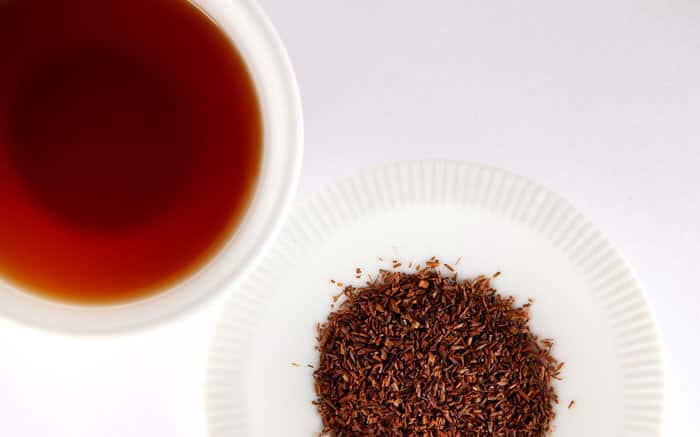
“Because of their potential health benefits to humans, phytochemicals (bioactive polyphenolic compounds) in plants and herbs have been studied extensively in recent years. These compounds not only protect the plant throughout its lifecycle, but are responsible for its colour, aroma and flavour. Given their positive biological effect, higher safety margins and lower cost than synthetic agents, it has led to a significant increase in the demand for herbal products globally.”
Rooibos’ potent bioactivity against various diseases – by scavenging free radicals (harmful compounds or elements) in the body and its ability to be utilised in the production of cosmetics and dietary supplements – has caught the attention of the scientific world and the public at large. Researchers are studying its ability to heal wounds, relieve burns and other skin conditions, including eczema, acne, urticaria, pruritus, psoriasis and other bacterial and fungal skin diseases, among a host of other ailments.
Lilly explains that up until now the bioavailability (proportion of active ingredient that is absorbed by cells and that can have an effect when introduced into the body) of many plant extracts, including Rooibos, have been stymied by its high molecular weight.
“But, by loading Rooibos’ polyphenolic compounds (extracts) in a novel nano-delivery system will facilitate their penetration across the skin barriers, thereby enhancing their topical bioavailability.
“Nanocarriers will not only help to protect the bioactive compounds in Rooibos from oxidation and degradation, but can improve the solubility, absorption, long-term benefits, as well as their stability (shelf life).
“Phytosomes as lipid-based nanocarriers play a crucial function in the enhancement of pharmacokinetic and pharmacodynamic properties of Rooibos’ polyphenolic compounds and make nanotechnology a promising tool for the development of new topical formulations that will take Rooibos skincare to the next level,” she says.
Before making the Rooibos phytosome available to the market, more research will be conducted to determine the right concentration of Rooibos and rate of bioavailability. This will then be followed by clinical trials in humans where phytosome prototypes will be tested in small skin biopsies.
Lilly says it could take another two to three years, but it’s a development that could revolutionise Rooibos skincare. This technology could also be used to make Rooibos more bioavailable in other forms, aside from skin formulations.
For more information on Rooibos research, visit www.sarooibos.co.za
ENDS Issued by Meropa Communications on behalf of the SA Rooibos Council. For further information, please contact Brigitte Taim from Meropa on 021 683 6464; 082 410 8960 or email: brigittet@meropa.co.za


