South Africa faces a perinatal depression crisis, with mothers three to four times more likely to be affected than their global counterparts.
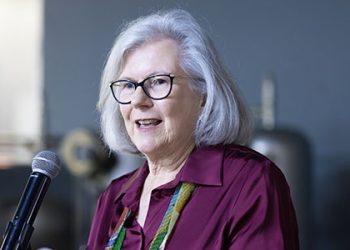
“Statistics indicate that between thirty and forty percent of South African women will experience perinatal depression compared to a global rate of ten percent,” says Psychiatrist Dr Bavi Vythilingum, who practises at Netcare Akeso Kenilworth, Cape Town.
To address what is becoming a growing health concern, she believes all women should be screened for perinatal mood symptoms during pregnancy and for postnatal depression after giving birth.
“Perinatal depression is an umbrella term covering depression both during and after pregnancy. We refer to it as perinatal depression because many women who have depression during pregnancy go on to develop postnatal depression. Also, postnatal depression is a risk factor for depression in subsequent pregnancies, so the term perinatal depression covers all these periods,” adds Dr Vythilingum.
She warns that perinatal depression can have serious consequences for both mother and baby. “The mother experiences extreme suffering, emotional pain, difficulty bonding with her baby and, at its worst, thoughts or acts of self-harm and suicide.
“In terms of the baby’s health, depression during pregnancy is associated with risks of high blood pressure, of preterm delivery, and of babies not growing and developing as well as they should. Postnatal depression, if left untreated, is one of the biggest risk factors for mental illness in the affected mother’s children, particularly as they become young adults. It interferes with the mother’s ability to bond with her baby and her ability to act sensitively and responsively to her baby, which can have marked effects on the development of the child. Perinatal depression affects the whole family and has a generational impact on mental health.
Risk factors
“The biggest risk factor for perinatal depression is having had a previous episode of perinatal depression. Other risks include having a history of mental health disorders such as depression or anxiety. A substance or alcohol abuse disorder, particularly if the woman is still using substances during pregnancy, is another serious risk factor. These women are considered high risk and should be treated with care and empathy. Another risk factor is having an unwanted baby, although this should not be generalised to unplanned pregnancies as many pregnancies that are unplanned are greatly welcomed. Other factors, like having an unsupportive partner or where there is intimate partner violence, also contribute to the risk of perinatal depression,” notes Dr Vythilingum.
Recognition and hope
According to Dr Vythilingum, the good news is that perinatal depression can be treated effectively. “The first step is to recognise perinatal depression. This is why it’s important for all women to be screened during pregnancy and after giving birth. There are simple, accurate screening tools available to identify signs of perinatal depression.”
If a diagnosis of perinatal depression is reached, the mother and family should receive holistic multidisciplinary treatment with support from all their healthcare providers, including the gynaecologist, the paediatrician, and the clinic sister, for example.
Perinatal depression can be treated with psychotherapy, also known as talk therapy, and medication. “Talk therapy is very effective, particularly for mild to moderate depression, and many women benefit from this. However, for moderate to severe depression or for a mother who has thoughts of suicide or harming herself or her baby, medication is indicated,” Dr Vythilingum adds.
“Nowadays, there are many medications that are very safe to use during pregnancy and breastfeeding. Mothers can take these medications safely and get better; there is no need for them to suffer. Where appropriate, taking prescribed medication if you have moderate to severe perinatal depression is better for you and the baby because it gets you well and allows you to really take care of yourself and your child.”
Dr Vythilingum stresses that mothers should be supported and affirmed, not just in practical terms like cooking a meal or looking after the baby, but also through giving them emotional support and reassuring them that they are good mothers, although they are ill during perinatal depression.
“It’s crucial that we recognise perinatal depression for the serious health problem it is, and through greater awareness help affected mothers by providing the treatment and support that they deserve,” she says.
In any mental health emergency, or for advice in accessing mental health care for yourself or a loved one, please reach for support. Netcare Akeso offers a 24-hour crisis line on 0861 435 787. Trained counsellors are available to talk to you without judgment and can guide you through the various options for assistance. The South African Anxiety and Depression Group (SADAG) also provides a 24-hour suicide crisis helpline on 0800 567 567.