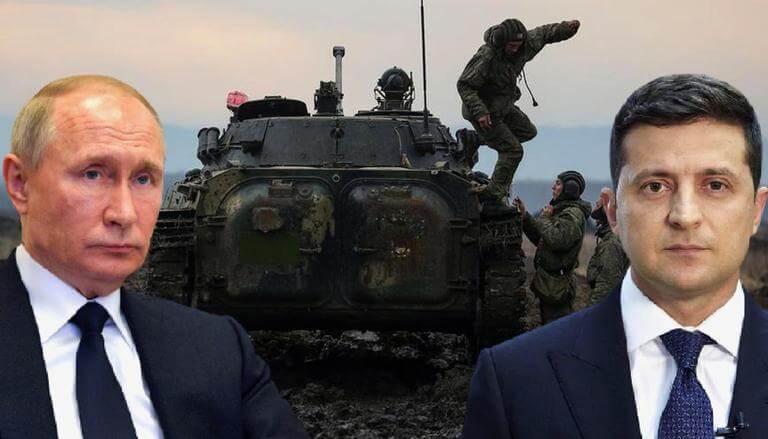
As Russian’s invasion of Ukraine dominates international media, economist Wandile Sihlobo, told the Conversation that as both countries are major players in the global agricultural market, African leaders should pay serious attention to what is happening on the other side of the world.
Africa is highly reliant on imports
African countries imported agricultural products worth US$4 billion from Russia in 2020 of which 90% was wheat and 6% sunflower oil. Other, major importing countries were Egypt, which accounted for nearly half of the imports, Sudan, Nigeria, Tanzania, Algeria, Kenya and South Africa, all on African soil.
The Ukraine exported an additional US$2.9 billion’s agricultural products to the African continent during the same time. About 48% of this was wheat and 31% maize with the rest being sunflower oil, barley and soybeans – staple foods of billions of Africans.
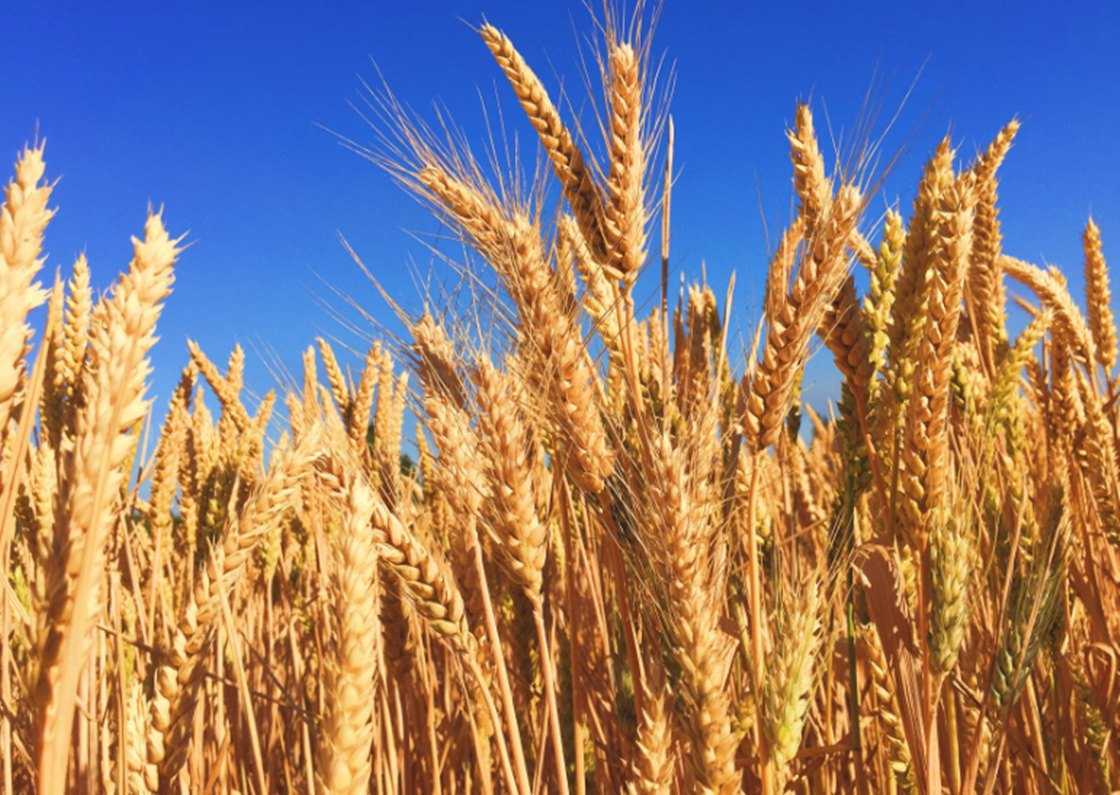
Russia produces about 10% of global wheat while Ukraine accounts for 4%. Combined, this is nearly the total amount of the European Union’s wheat production, that of 27 countries.
Russia and Ukraine are also notable players in maize, responsible for a combined maize production of 4%. However, Ukraine and Russia’s contribution is even more significant in exports, accounting for 14% of global maize exports in 2020. Both countries are also among the leading producers and exporters of sunflower oil. In 2020, Ukraine’s sunflower oil exports accounted for 40% of global exports, with Russia accounting for 18% of global sunflower oil exports.
Russia’s military action has caused panic among some analysts and the fear is that intensifying conflict could disrupt trade with significant consequences for global food stability. It would definitely affect notable and devastating rises in the price of global grains and oilseed. A rise in commodities prices was already evident just days into the conflict.
This is especially concerning for the African continent, a net importer of wheat and sunflower oil. Drought in some regions of the continent and disruption of shipments would add to food price inflation on the continent where many already live in abject poverty.
The big picture
For now, the situation could be viewed as an upside risk to global agricultural commodity prices, which are already elevated. In January 2022, the FAO Food Price Index showed that in December last year, the highest prices since April 2011 had been paid. Vegetable oils and dairy products underpinned the increases.
Ahead of Putin’s move, there had already been an international price spike and with western countries slapping sanctions on Russia, this despot would hit back hard. The price of maize had already increased by 21%, wheat by 35%, soybeans 20% more and the sunflower oil price is now 11% higher compared to the corresponding period a year ago.
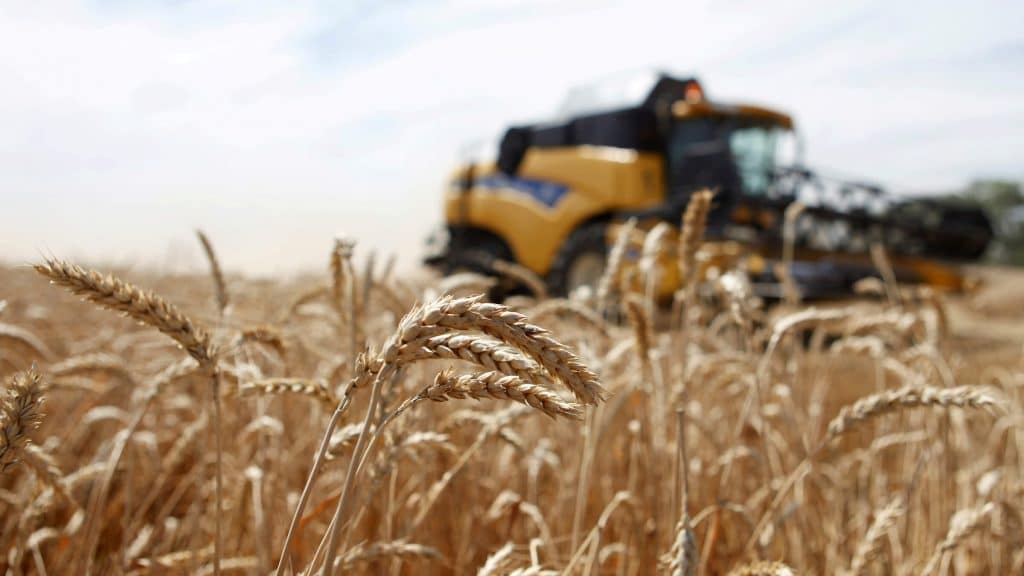
While a rise in prices will be beneficial for grain and oilseed farmers,
the impact of the war will be felt in the near term through the global agriculture prices channel. However, rising prices are bad news for consumers who had already experienced food price rises during the last two years. The Russia-Ukraine conflict means that pressure on prices will persist.
South Africa (SA) benefits from exporting fruit to Russia. Last year, Russia imported 7% of SA’s citrus, 12% of local apples and pears exports in 2021, the country’s second largest market.
Every agricultural role-player should be keeping an eye on developments in the Black Sea region. The impact will also be felt in other regions such as the Middle East and Asia, which also import a substantial volume of grains and oilseeds from Ukraine and Russia.
Africa at the mercy of this war of high costs
There is still a lot which is not known about the geopolitical challenges awaiting the rest of the world, but for African countries there are many reasons to be worried about given their dependency for grain imports. In the near term, countries are likely see the impact through a surge in prices, rather than an actual shortage of the commodities.